Table of Contents
- When a loved one suffers from nursing home abuse and neglect in California, building a strong legal case requires solid, documented proof. We understand that families want answers and accountability.
- Medical Records and Documentation as Foundation Evidence in Nursing Home Neglect Claims
- Incident Reports and Internal Facility Records for Elderly Residents
- Photographs and Video Evidence of Conditions in Nursing Home
- Expert Witness Testimony and Medical Assessments of Your Elderly Family Member
- Testimony from Family Members and Witnesses of Nursing Home Negligence
- Care Plan Violations and Staffing Records Showing Nursing Home Negligence
- Hire Perlmutter & Pourshalimi Elder Abuse Lawyers
When a loved one suffers from nursing home abuse and neglect in California, building a strong legal case requires solid, documented proof. We understand that families want answers and accountability.
That’s why we focus on identifying and gathering the evidence necessary to build the strongest nursing home lawsuit.
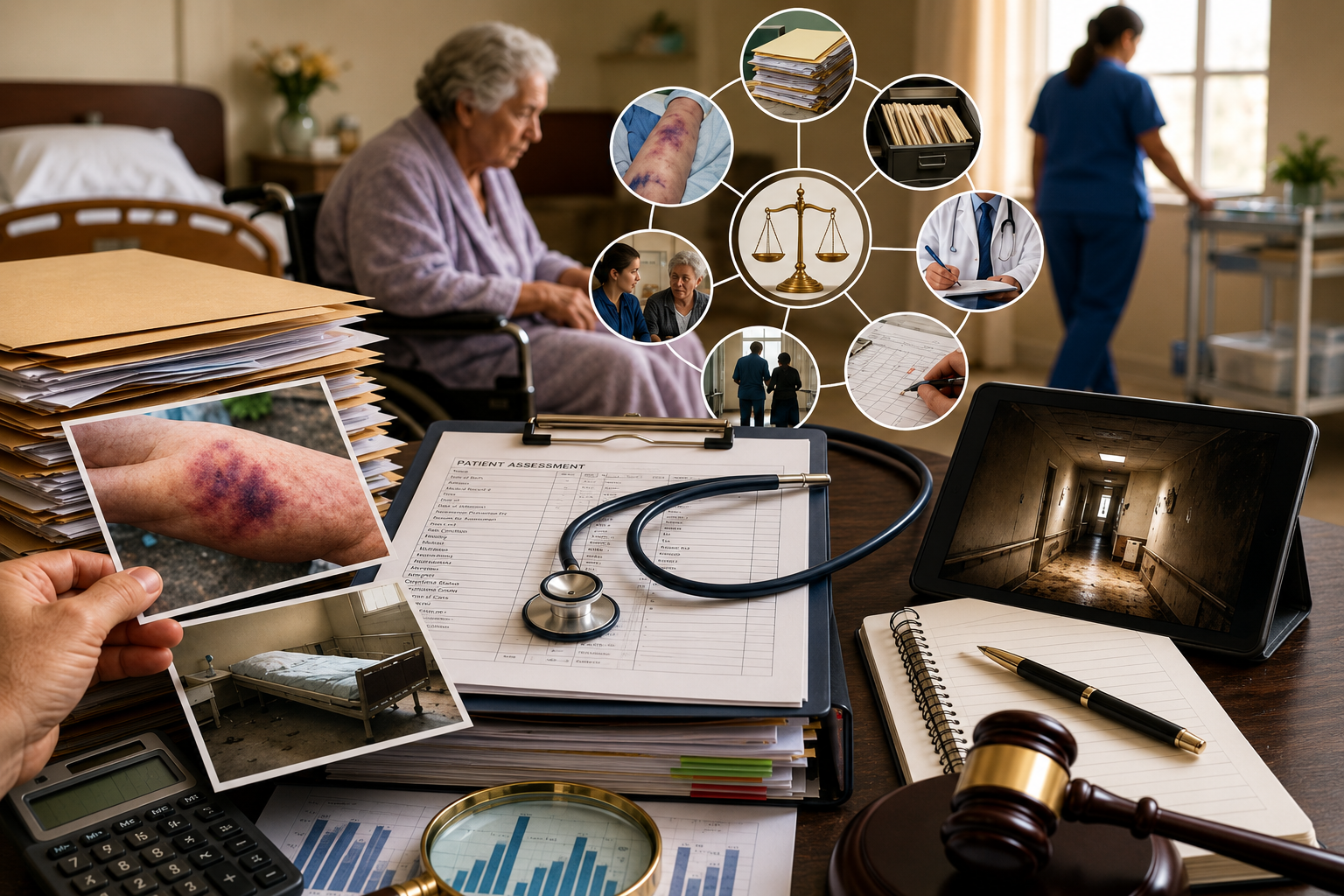
Below, we walk through seven critical categories of evidence that form the backbone of successful nursing home neglect claims in California.
Medical Records and Documentation as Foundation Evidence in Nursing Home Neglect Claims
Medical records are the starting point for any credible nursing home abuse case. These documents create a clear timeline. They show your loved one’s condition before entering the nursing home.
It also shows their condition during their stay and after they suffered harm. Hospitals, doctors, and the facility itself maintain these records.
Look for records that show:
- Lab results and vital sign measurements
- Medication administration logs and discrepancies
- Wound assessments and progression notes
- Weight loss documentation over time
- Infection markers and treatment dates
- Hospitalization records following facility stays
A common pattern our nursing home injury lawyers see in neglect cases involves pressure ulcers (bedsores). These sores can develop or worsen due to poor turning, repositioning, or hygiene.
The medical record will show the exact date the wound appeared, its stage of severity, and whether it was preventable with proper care. This creates a factual basis for negligence.
What to do next: Request your loved one’s complete medical file from the long term care facility immediately. Don’t rely on summaries. California law requires nursing homes to provide these records within 15 days of a written request.
Incident Reports and Internal Facility Records for Elderly Residents
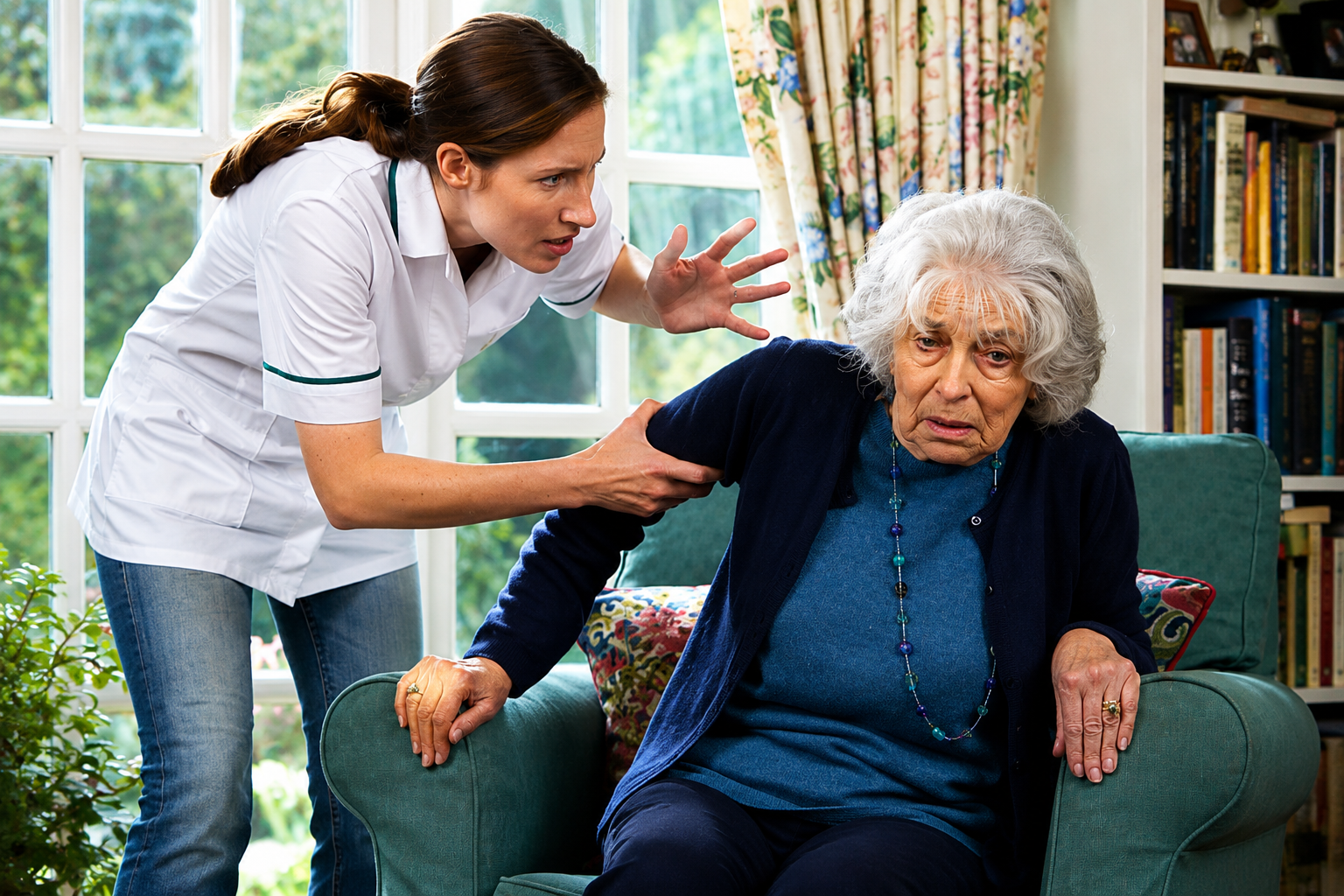
Nursing homes are required to document every incident, accident, and injury that occurs on their premises. These incident reports often contain admissions or descriptions that contradict the facility’s public safety claims.
Critical documents in this category include:
- Incident/accident reports filed by staff
- Shift supervisor notes and handoff reports
- Infection control documentation
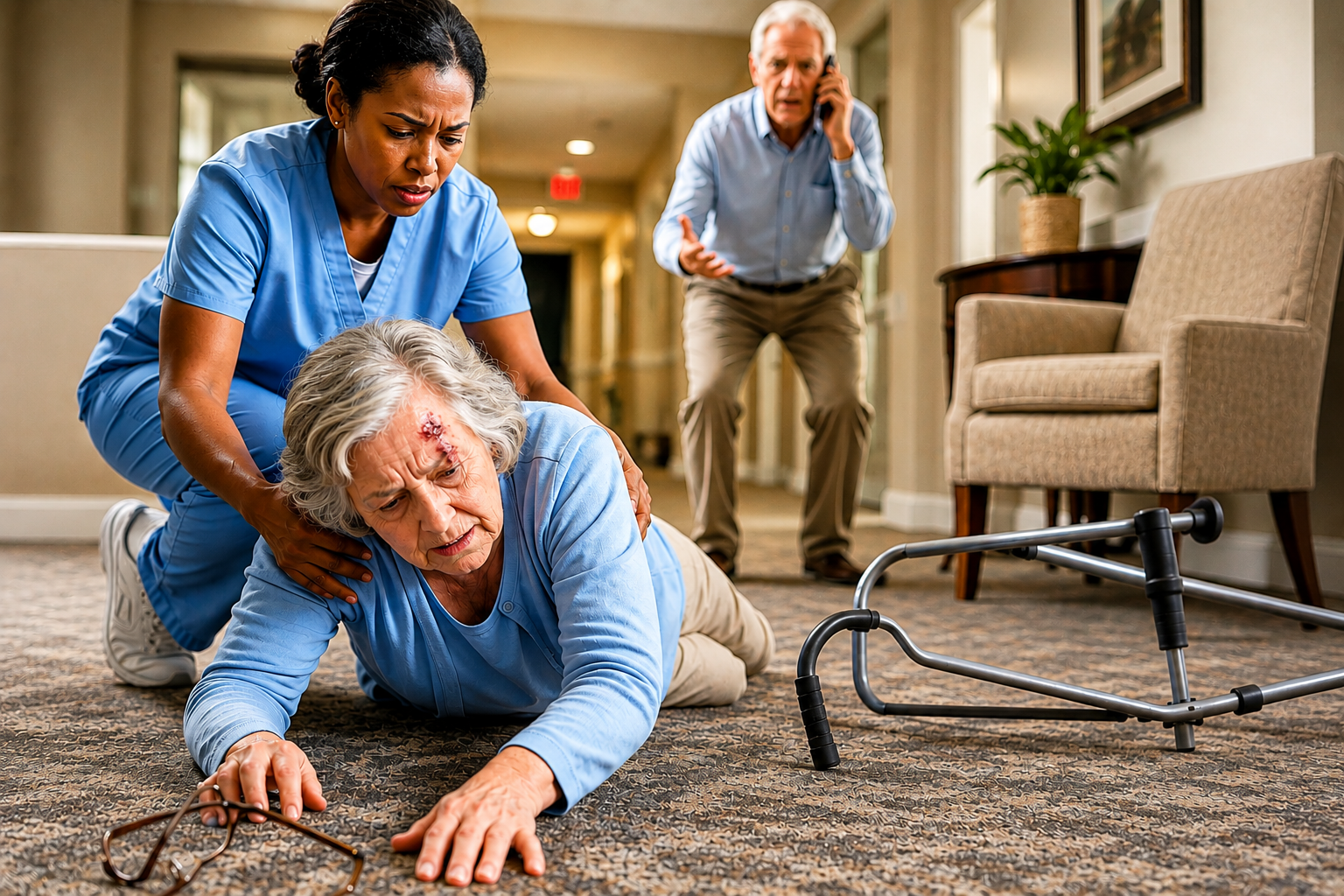
- Fall reports and investigation summaries that show falls in nursing homes
- Medication error logs
- Complaint records from residents or families potentially showing a lack of nursing home safety
Many facilities fill out incident reports perfunctorily, and the language used can reveal what actually happened. For example, a report stating “patient found on floor with no staff present at 3 a.m.” contradicts claims that adequate supervision was provided.
We’ve found that facilities often generate these reports to satisfy compliance requirements, but they inadvertently create evidence of their own negligence.
Request all incident reports from the relevant time period, even those marked as minor or routine.
What to do next: File a formal written request for all incident reports related to your loved one’s care. Include the specific dates your relative was in the facility and request reports for at least 30 days before and after any injury or decline.
Photographs and Video Evidence of Conditions in Nursing Home
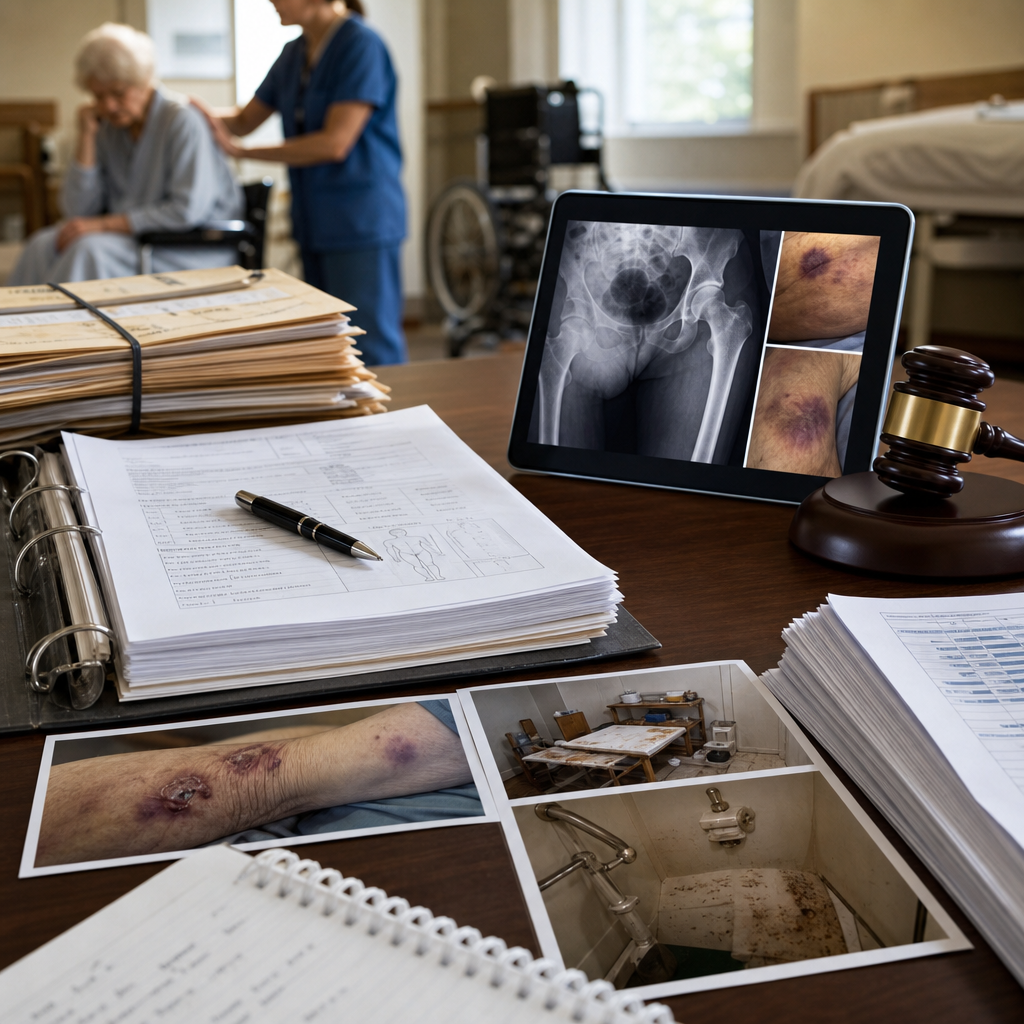
Visual evidence is powerful because it bypasses written descriptions and shows conditions exactly as they were. Photographs and video footage of the facility, your loved one’s room, and physical injuries provide undeniable proof of neglect.
Valuable visual evidence includes:
- Photos of unsanitary conditions (dirty bedding, soiled clothing, cluttered rooms)
- Images of pressure ulcers at different stages
- Video footage from security cameras (if accessible)
- Photographs of inadequate lighting or hazardous conditions
- Documentation of your loved one’s physical appearance (weight loss, hygiene)
If your loved one is still in the assisted living facility, take regular, dated photographs. If they’ve been transferred to a hospital, request photos from medical staff documenting injuries upon admission. These create a concrete record tied to specific dates and times.
What to do next: Start photographing conditions now, including your loved one’s appearance, room conditions, and any visible injuries. Date and time-stamp each image. If your loved one was hospitalized, request photos from the hospital’s medical records documenting their condition upon arrival.
Expert Witness Testimony and Medical Assessments of Your Elderly Family Member
Medical professionals with geriatric or long-term care experience can connect the dots between facility failures and your loved one’s harm. An independent medical evaluation by a knowledgeable physician familiar with nursing home standards of care establishes what should have happened and what actually happened.
Expert testimony addresses questions like:
- Was the injury or condition preventable with proper care?
- Did the facility’s actions fall below accepted standards for elder care?
- What is the causal link between neglect and the harm suffered?
- Would a reasonable care facility have done things differently?
California courts rely heavily on medical expert testimony to establish breach of the duty of care. Without it, a jury may struggle to understand whether the facility’s actions were truly negligent or simply unfortunate medical events.
Our experienced nursing home abuse lawyers know that geriatric care physicians and long-term care consultants are very valuable. They understand facility operations, staffing norms, and regulatory requirements better than many general practitioners.
What to do next: If you’re building a case, plan for medical expert evaluation early. The sooner an independent physician reviews your loved one’s records, the sooner you’ll know whether you have a viable claim.
Testimony from Family Members and Witnesses of Nursing Home Negligence
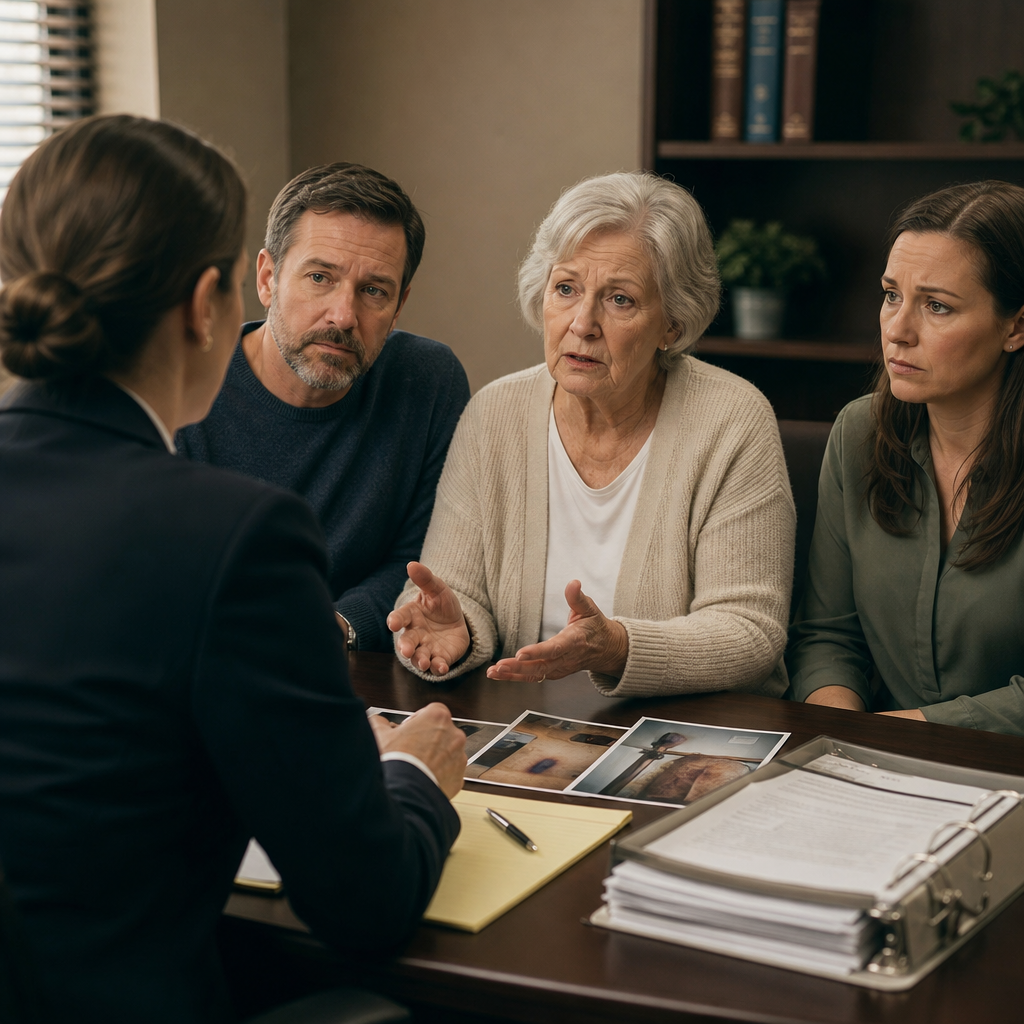
Your observations, visits, and interactions with facility staff provide firsthand accounts of what you witnessed. Staff members who worked at the facility, other residents, and family visitors can corroborate neglect or recall specific incidents.
Strong witness testimony often includes:
- Dates and times you observed poor conditions or staff behavior
- Specific conversations with administrators or care staff about concerns
- Changes in your loved one’s physical or mental state during visits
- Statements about how your loved one’s needs were not being met
- Testimony from staff members who report being understaffed or overworked
- Other residents’ accounts of facility conditions
Documentation of your concerns is crucial. If you sent emails, texts, or formal letters to the facility raising safety issues, those become evidence of notice. Facilities that ignored documented complaints demonstrate willful negligence.
What to do next: Write down specific dates, times, and details of visits where you noticed problems. Include what you saw, what you said to staff, and how your loved one appeared. Save copies of any communications (emails, letters, call logs) where you reported concerns to the facility. Families dealing with a death may also benefit from learning more about filing a nursing home death claim and the answers it may help provide.
Care Plan Violations and Staffing Records Showing Nursing Home Negligence
Every resident in a California nursing home must have a documented care plan that outlines their specific needs and the care they should receive. When facilities deviate from these plans, it’s actionable negligence.
Key evidence in this category includes:
- The resident’s individualized care plan
- Physician orders that weren’t followed
- Staffing schedules and actual hours worked
- Documentation showing tasks that should have been completed but weren’t
- Records of missed appointments, therapy sessions, or treatments
- Turnover and recruitment records showing chronic understaffing
A care plan that specifies “two-person assist for all transfers” but leaves your loved one alone and causes a fall demonstrates a clear violation. Similarly, staffing records showing only one caregiver for 30 residents when regulations require better ratios establish systemic neglect.
We focus on connecting these violations to specific harms. A deviation from a care plan is only negligence if it caused or contributed to injury or decline.
What to do next: Request your loved one’s complete care plan and all updates to it. Compare the documented plan to your observations and medical records. Where do the gaps exist?
Hire Perlmutter & Pourshalimi Elder Abuse Lawyers
Building a strong nursing home neglect claim requires gathering evidence across all these categories.
The combination of medical documentation, incident reports, photos, expert analysis, witness testimony, care plan violations, regulatory citations, and financial records creates an undeniable picture of neglect.
As elder care lawyers, we have seen it all. Hip fractures in the elderly, traumatic brain injury symptoms in the elderly, lack of staffing levels causing harm to nursing home patients.
At Perlmutter & Pourshalimi, our nursing home neglect lawyers work on a contingency-fee basis. This means we only get paid if you recover compensation. We work to identify every piece of evidence that strengthens your case and holds negligent facilities accountable.
If your loved one has suffered serious injury or passed away unexpectedly in a California nursing home, call one of our experienced nursing home attorneys for help. Contact P and P Firm for a free phone consultation at (310) 295-2236. Let us review what happened.
Your family deserves answers, and negligent facilities deserve accountability.
Nursing Home Understaffing – Head Injury in Elderly – Broken Hip Recovery Elderly
Concussion Symptoms Elderly – Nursing Home Fall Lawyer – Nursing Home Hip Fracture
Frequently Asked Questions About Nursing Home Neglect Evidence
What evidence can help prove nursing home falls?
Medical records, incident reports, photographs, witness testimony, care plans, staffing records, and expert assessments can help establish what happened and whether proper care was provided when nursing home falls occur.
When should I contact a nursing home traumatic brain injury lawyer?
If your loved one suffers a serious head injury while living in a nursing facility, speaking with a nursing home traumatic brain injury lawyer can help you understand what evidence may be relevant to the claim.
What does nursing home safety involve?
Nursing home safety involves appropriate care, supervision, staffing, and measures designed to protect residents from preventable injuries and harm.
Can photographs help prove nursing home neglect?
Photographs can document visible injuries, pressure ulcers, unsanitary conditions, inadequate lighting, hazardous conditions, and changes in your loved one’s physical appearance.
Why are incident reports important in a nursing home neglect case?
Incident reports can document accidents, injuries, falls, medication errors, and complaints. They may help establish what happened and how the facility responded.