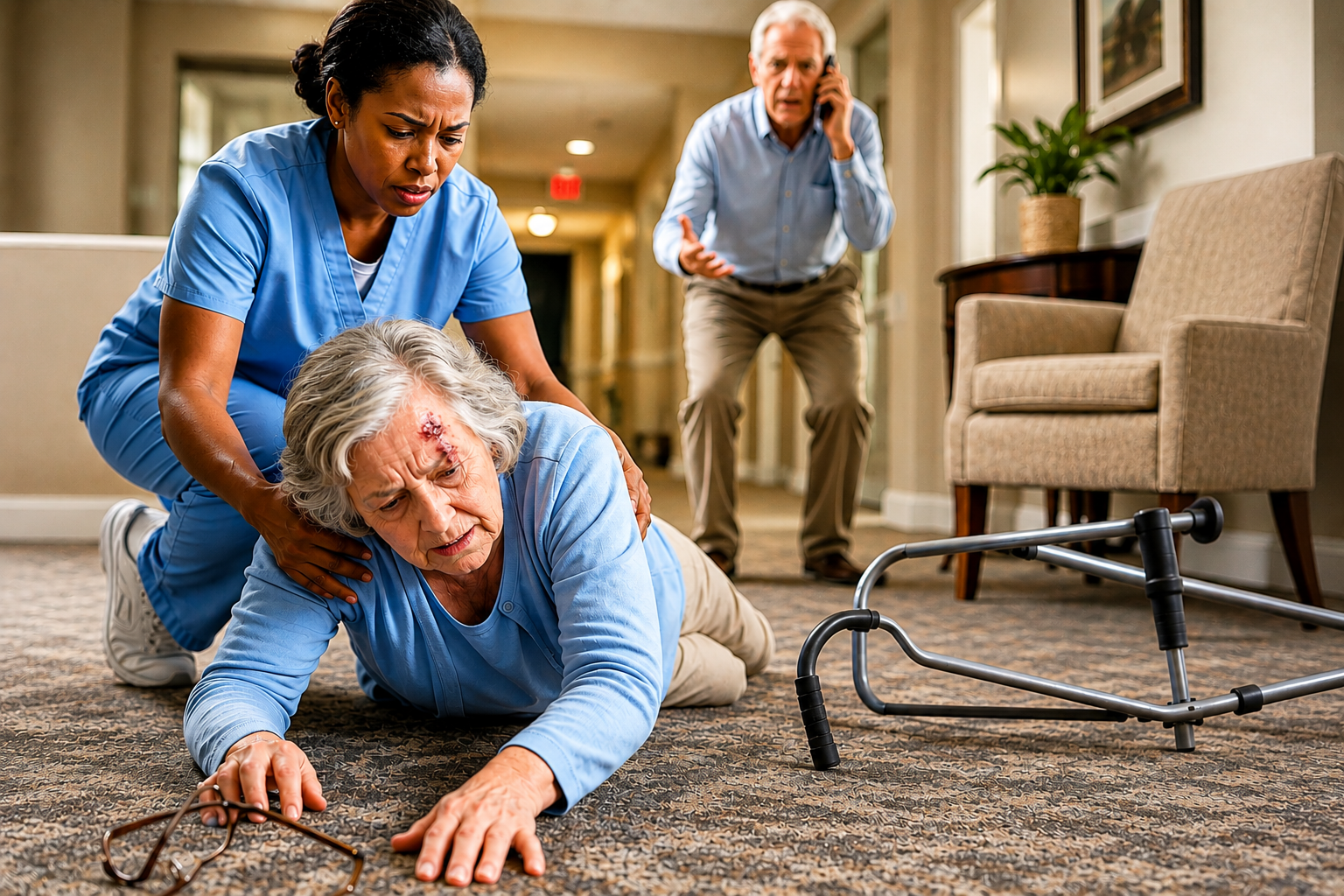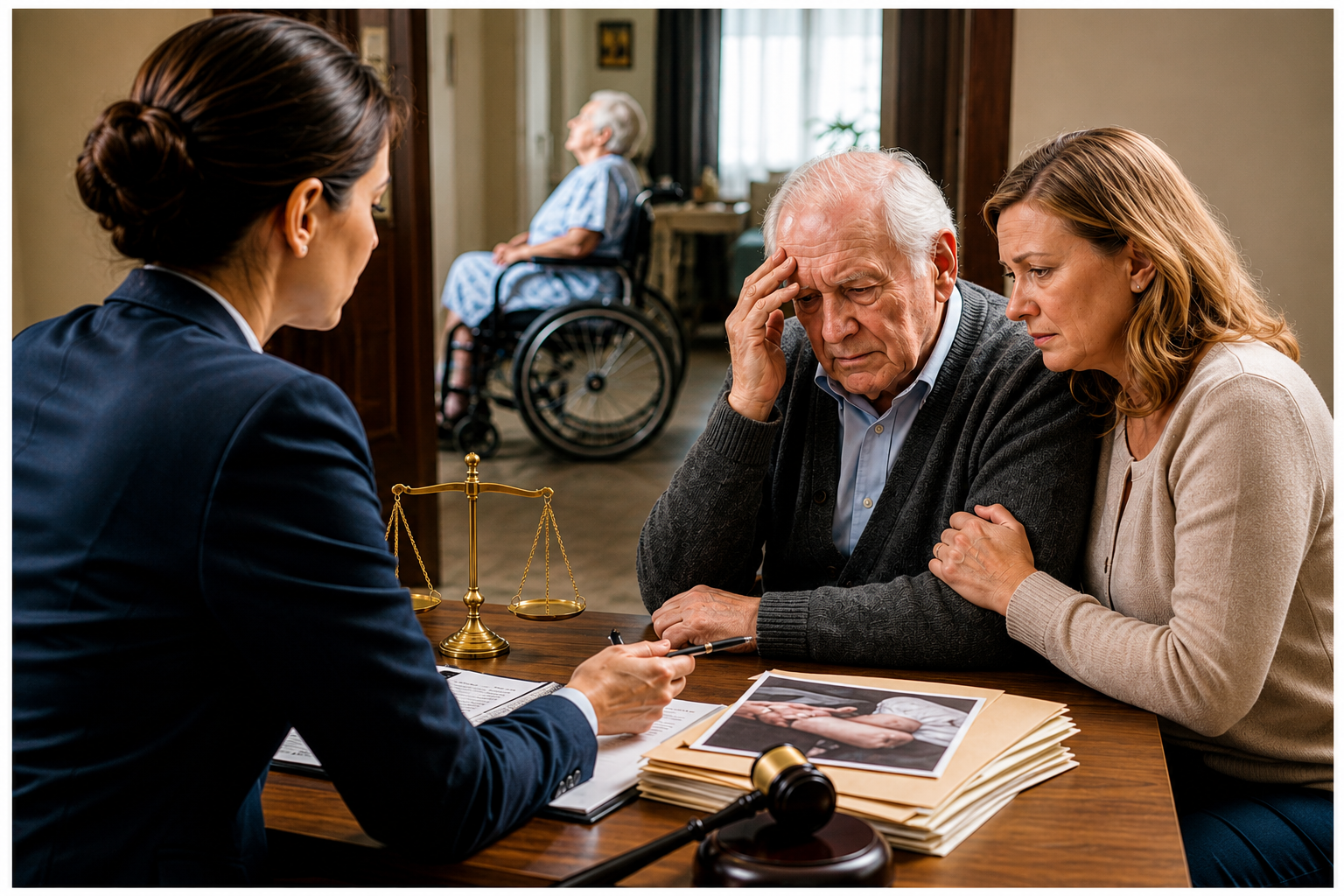
Nursing homes and assisted living facilities have a legal duty to provide residents with a reasonable standard of care, supervision, and protection. When a resident suffers a nursing home injury or passes away unexpectedly because a facility failed to meet that standard, legal action may be an option to pursue accountability.
Determining liability in a nursing home injury case isn’t always simple. An injury by itself doesn’t automatically mean the facility was negligent. To understand whether the nursing home may be responsible, families often need to look at:
- What happened in the hours and days leading up to the injury
- What care and supervision the resident should have been receiving
- Whether staff followed the resident’s care plan and facility policies
- Whether the facility took reasonable steps to prevent foreseeable harm
If you’re worried about a loved one’s safety, speaking with an experienced nursing home neglect attorney can help you get answers and determine whether the facts may support a legal claim.
Perlmutter & Pourshalimi focuses on elder abuse and neglect cases and represents individuals harmed by negligence in nursing homes and other long-term care settings.
What Does Nursing Home Liability Mean?
“Nursing home liability” refers to a facility’s potential legal responsibility when a resident is harmed because the nursing home failed to meet the standard of care. That harm may stem from negligent care, neglect, abuse, unsafe conditions, understaffing, or other breakdowns in supervision and protection.
Nursing homes serve residents with serious medical, physical, or cognitive needs. Many require help with mobility, medications, nutrition, hygiene, and other daily activities. When staff or management fail to meet those needs or ignore warning signs, residents can suffer preventable injuries and life-altering complications.
Whether a facility is liable depends on the specific facts of the situation. Key questions often include:
- Did the nursing home know (or should have known) about the resident’s risks
- Whether it put proper safeguards in place
- Did its actions or inaction contribute to what happened?
Families should not automatically accept an injury as an unavoidable part of aging or a resident’s underlying condition. In many cases, proper care, supervision, and timely intervention could have prevented the harm.
Common Situations That Could Lead to Nursing Home Negligence
Certain types of injuries and care failures appear frequently in nursing home neglect cases. Each situation requires an individual investigation, but recognizing potential warning signs can help families take concerns seriously.
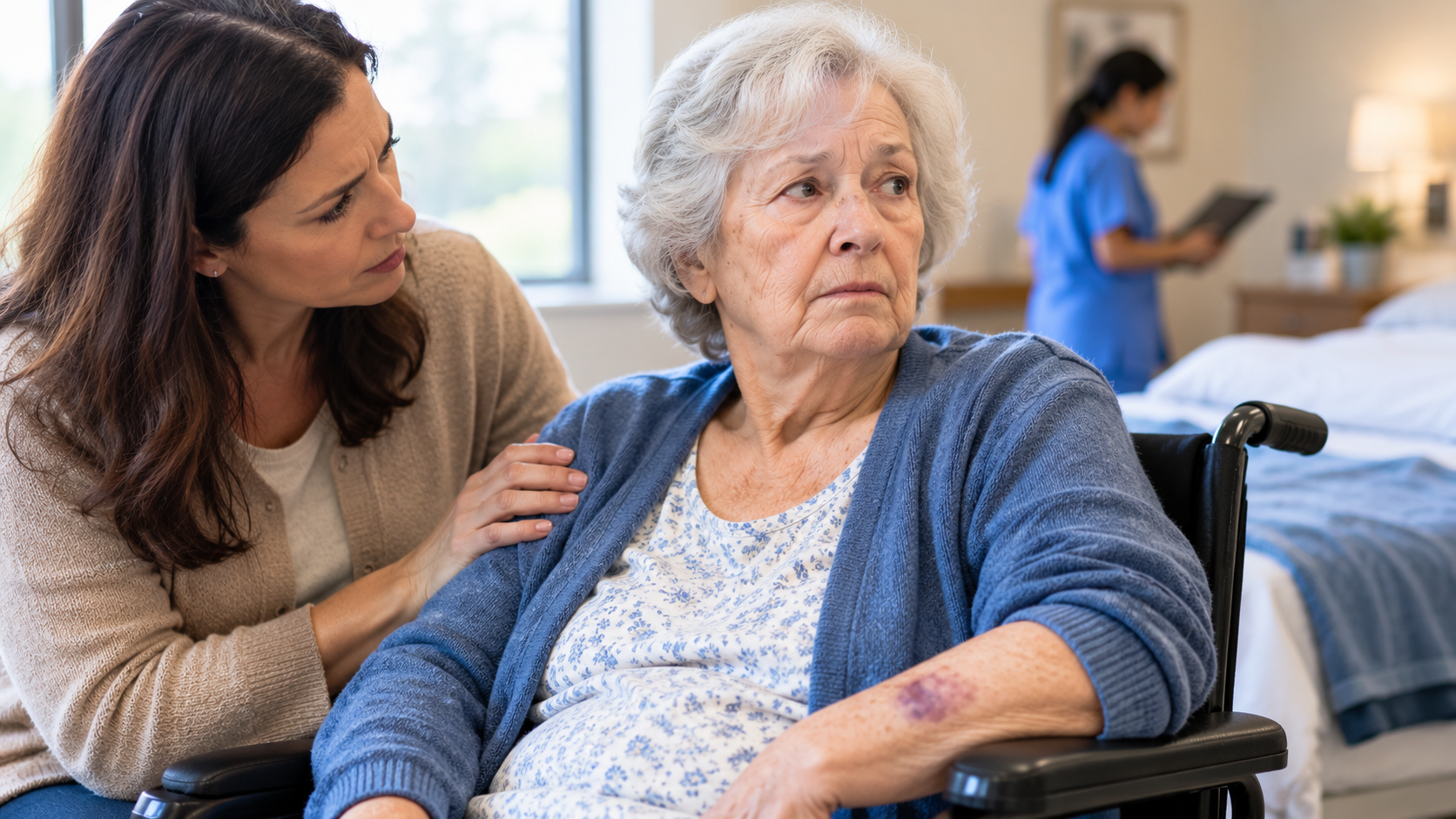
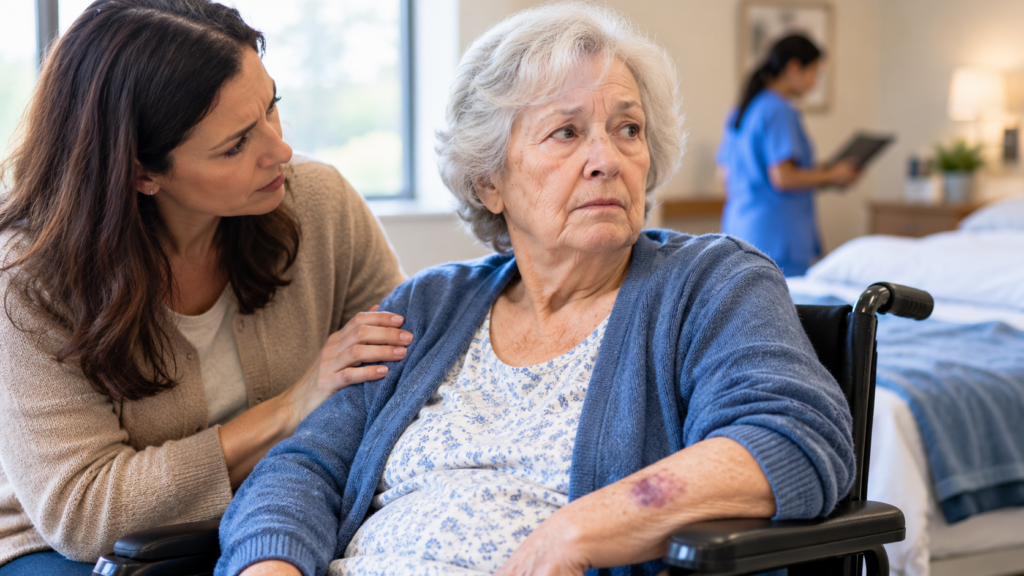
Inadequate wound care, sexual abuse, and bed sores are types of abuse or neglect. An experienced nursing home negligence attorney can advocate for these cases.
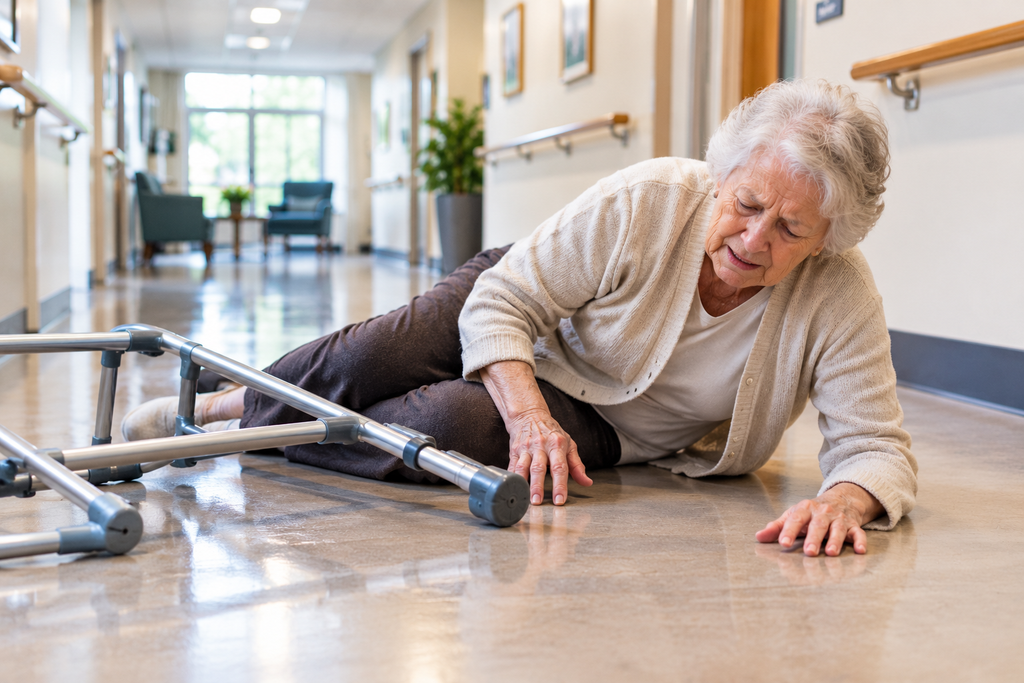
Falls and Fractures
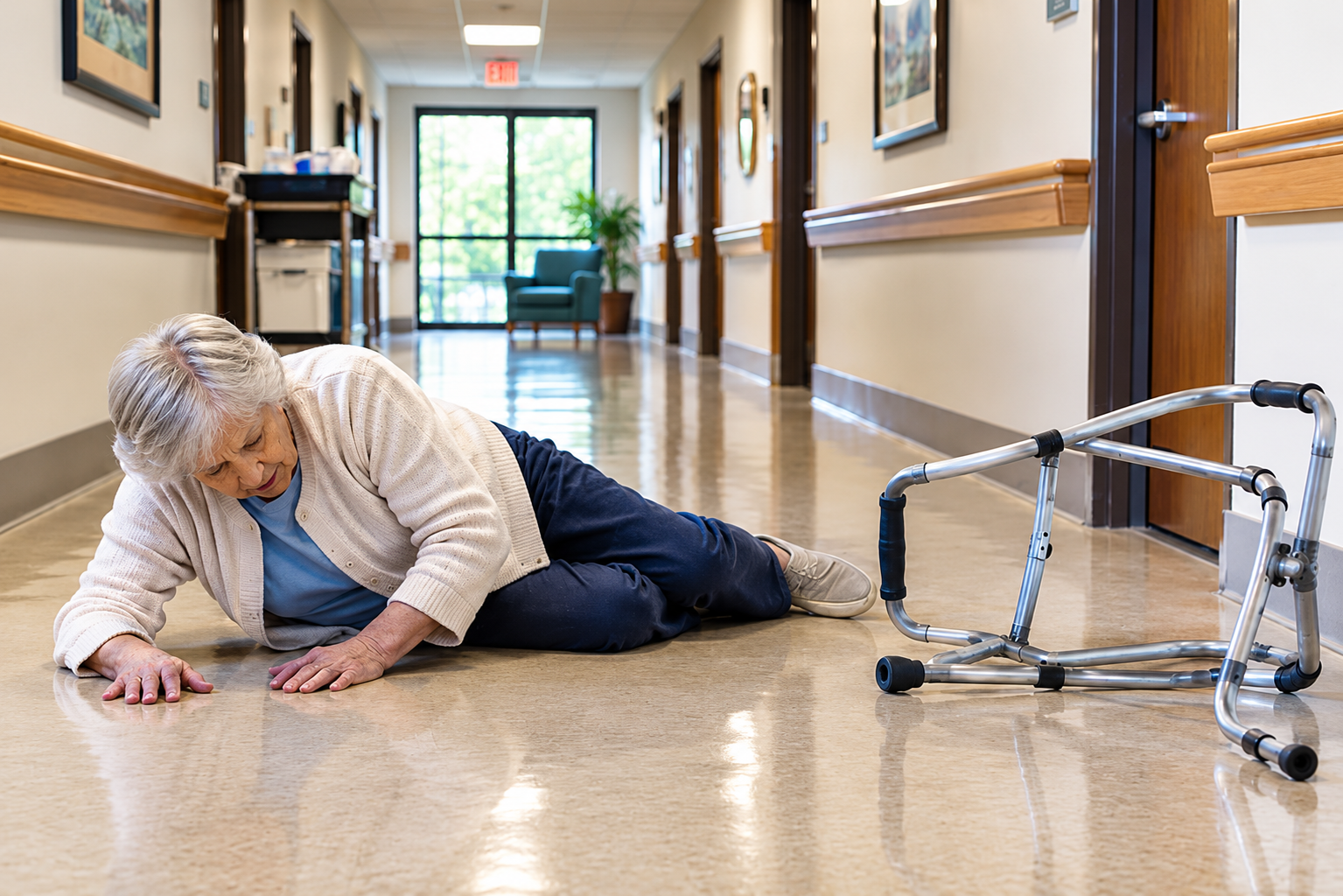
Falls are a major safety risk in nursing homes and assisted living facilities, especially for residents with limited mobility, balance issues, cognitive impairment, medications that affect coordination, or a prior history of falls.
Facilities are generally expected to identify known fall risks and take reasonable steps to reduce them. Depending on the resident’s needs, that may include closer supervision, help with transfers or toileting, and ensuring mobility devices and safe footwear are used correctly.
It can also involve keeping the environment safe (clear walkways, good lighting), using bed or chair alarms when appropriate, and following the resident’s documented fall-prevention plan.
If a fall occurs, families should ask what led to it—and whether the facility had reasonable safeguards in place beforehand.
Bedsores and Pressure Ulcer Injuries
Bedsores, also known as pressure ulcer injuries, can develop when a person stays in one position in bed for extended periods. Residents with limited mobility may be particularly vulnerable.
Proper care can involve monitoring the resident’s skin, repositioning when appropriate, maintaining hygiene, managing nutrition and hydration, and following medical instructions.
A pressure ulcer injury or bedsore does not automatically prove neglect. However, a serious or worsening bedsore may warrant investigation, particularly when there are indications that appropriate care was not provided.
Families concerned about these injuries can also review our resources for information about potential neglect involving residents in long-term care facilities.
Malnutrition and Dehydration
Many residents rely on nursing home staff not only for meals and fluids, but also for feeding assistance and ongoing monitoring of nutritional needs.
Unexplained weight loss, dehydration, fatigue, weakness, confusion, or a sudden decline in health can sometimes be warning signs that a resident’s nutrition or hydration needs are not being properly addressed.
When a resident has dietary restrictions, swallowing difficulties, or needs help eating or drinking, the facility must follow the care plan and provide appropriate support. Failing to do so can create serious, sometimes preventable, health risks.
Medication Errors
Nursing home residents often take multiple prescriptions, which makes safe medication management critical. Mistakes such as giving the wrong medication, the wrong dose, missing doses, or administering medication incorrectly can lead to serious complications.
Most facilities have systems in place to reduce medication error risks, but errors still happen. If a medication mistake appears to have caused harm, families may need to look closely at what went wrong, how it was documented, and whether staff followed proper procedures.
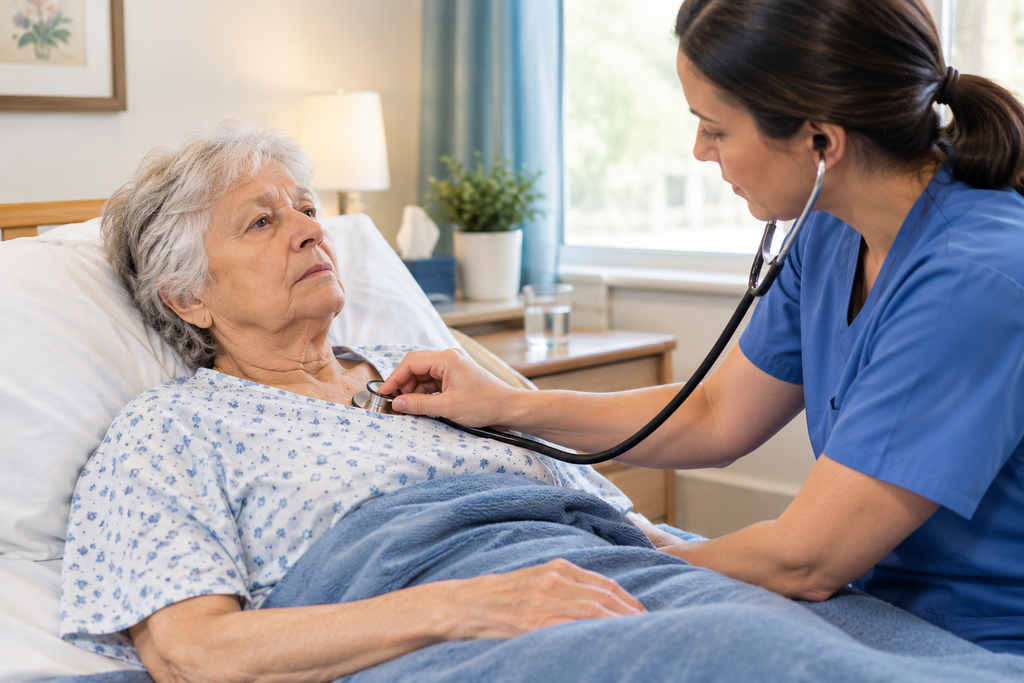
Infections and Untreated Medical Problems
Nursing home residents can be vulnerable to infections and complications when staff do not identify and address changes in health appropriately.
Warning signs may include sudden changes in behavior, fever, worsening wounds, confusion, weakness, or other significant changes in a resident’s condition.
A facility may face questions about liability when staff fails to recognize, document, communicate, or respond appropriately to concerning symptoms.
How Can Neglect Contribute to Resident Injuries?
Nursing home abuse and neglect can occur when a nursing home fails to provide the care and supervision a resident reasonably needs to stay safe.
It may involve issues such as inadequate monitoring, ignoring known medical conditions, failing to help with basic daily care, not responding to changes in a resident’s health, or not following the resident’s established care plan.
Neglect isn’t always obvious in the moment. In many cases, the harm builds over time; an older adult may gradually become weaker, lose weight, develop a pressure injury, experience repeated falls, or suffer complications that could have been prevented with proper attention.
Because these cases often come down to what the facility did (or didn’t do) day to day, documentation matters. Medical records, care plans, medication logs, incident reports, staff notes, photos, and written communications with the facility can help piece together what happened and when.
What Evidence Can Help Establish Nursing Home Liability?
If you suspect a nursing home injury, neglect, or abuse, it’s important to preserve information as early as possible. Evidence can show the resident’s condition before the incident. It can show what care was needed. It can show what care was given, what happened, and how the harm grew over time.
Helpful evidence may include:
- Medical records and hospital/ER treatment records
- The nursing home’s care plan(s) and assessments
- Medication administration records (MARs)
- Incident, accident, and fall reports
- Staffing schedules, assignments, and supervision notes
- Photos or videos of injuries, bedsores, bruising, or unsafe conditions
- Emails, texts, and written communications with administrators or staff
- Witness statements from visitors, roommates, or other staff
- Prior complaints or reports involving the facility or specific caregivers
- Records showing changes in the resident’s condition (weight loss, decline, new symptoms)
Families should also keep their own timeline. Write down when you first noticed a concern, who you spoke with, what the facility told you, when medical care was provided, and any changes you observed afterward. Even small details—dates, names, and exact wording—can matter later.
When Should a Family Speak with a Nursing Home Lawyer?
Families do not have to wait until they know all the facts before seeking legal advice.
Consider speaking with an experienced nursing home lawyer at Perlmutter & Pourshalimi today. When a resident has suffered a serious or unexplained injury, call 310-295-2236 for a free consultation.
When there are concerns about neglect, physical abuse, inadequate supervision, medication errors, understaffing, or repeated failures to respond to medical needs, find out what happened.
A nursing home abuse lawyer can review the details and help decide what information matters for a possible claim.
Perlmutter & Pourshalimi represents families affected by elder abuse and neglect. The firm’s attorneys include former prosecutors with experience in civil litigation and a practice focused on advocating for elderly and dependent adults who have suffered abuse or neglect.
What Should You Do If You Suspect California Nursing Home Neglect?
If you suspect that your loved one has been injured because of neglect or abuse, prioritize the resident’s immediate safety and medical needs.
Seek appropriate medical attention when necessary and document the injury and any related symptoms. When appropriate, communicate concerns to the facility in writing, and preserve copies of relevant records and correspondence.
Avoid relying only on verbal explanations. Ask what happened, who was involved, what care was provided, and what steps the facility is taking to prevent it from happening again.
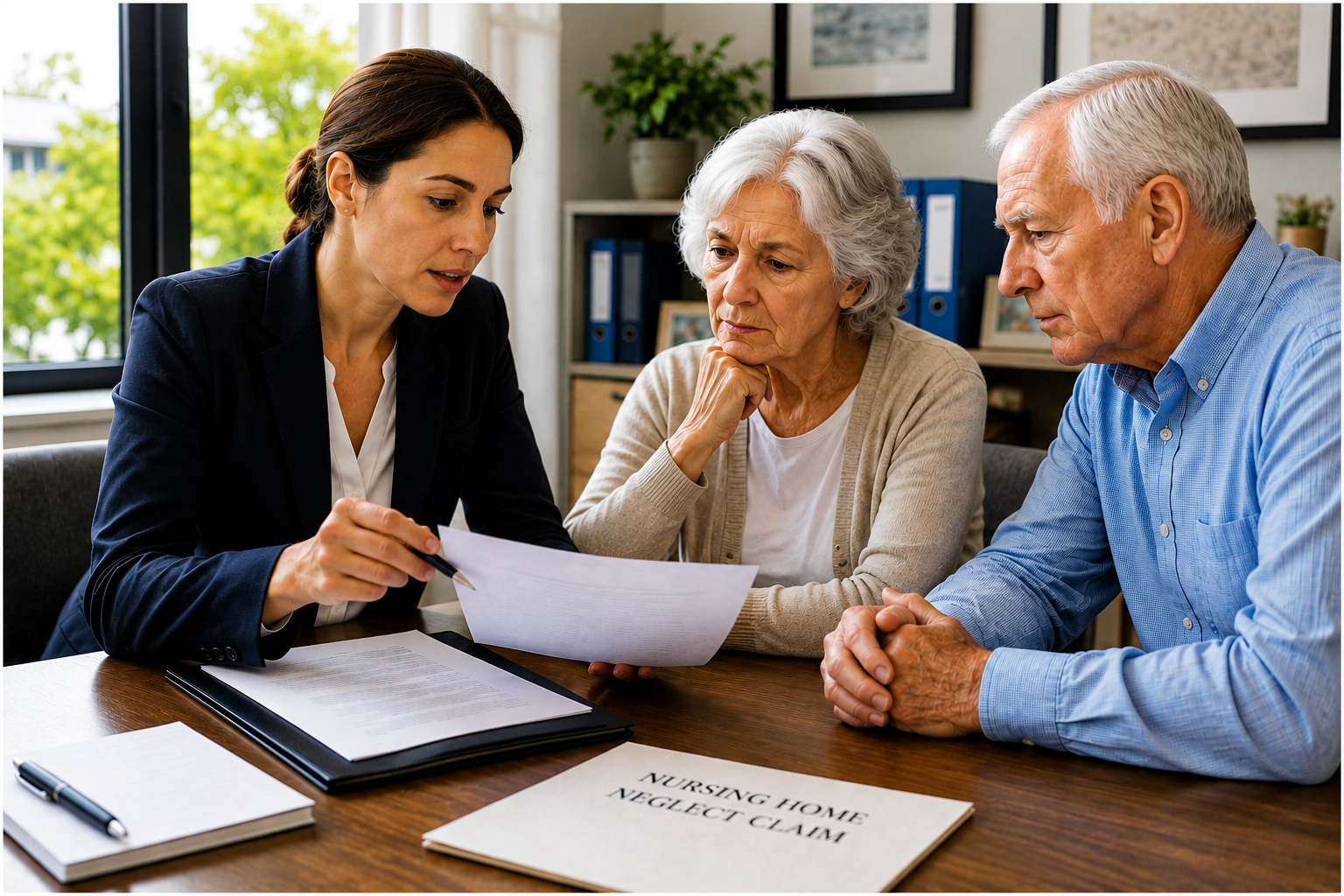
Speak with an experienced nursing home abuse law firm that focuses on elder abuse and neglect claims. A nursing home abuse attorney can help evaluate whether the circumstances may support a legal claim and identify evidence that may need to be preserved.
Why Hiring Perlmutter & Pourshalimi, Nursing Home Lawyers Makes Sense
A nursing home is responsible when a resident suffers harm because of neglect, abuse, inadequate supervision, unsafe conditions, or another failure to provide appropriate care.
Recognizing potential warning signs and preserving evidence can matter when a family suspects an injury could have been prevented.
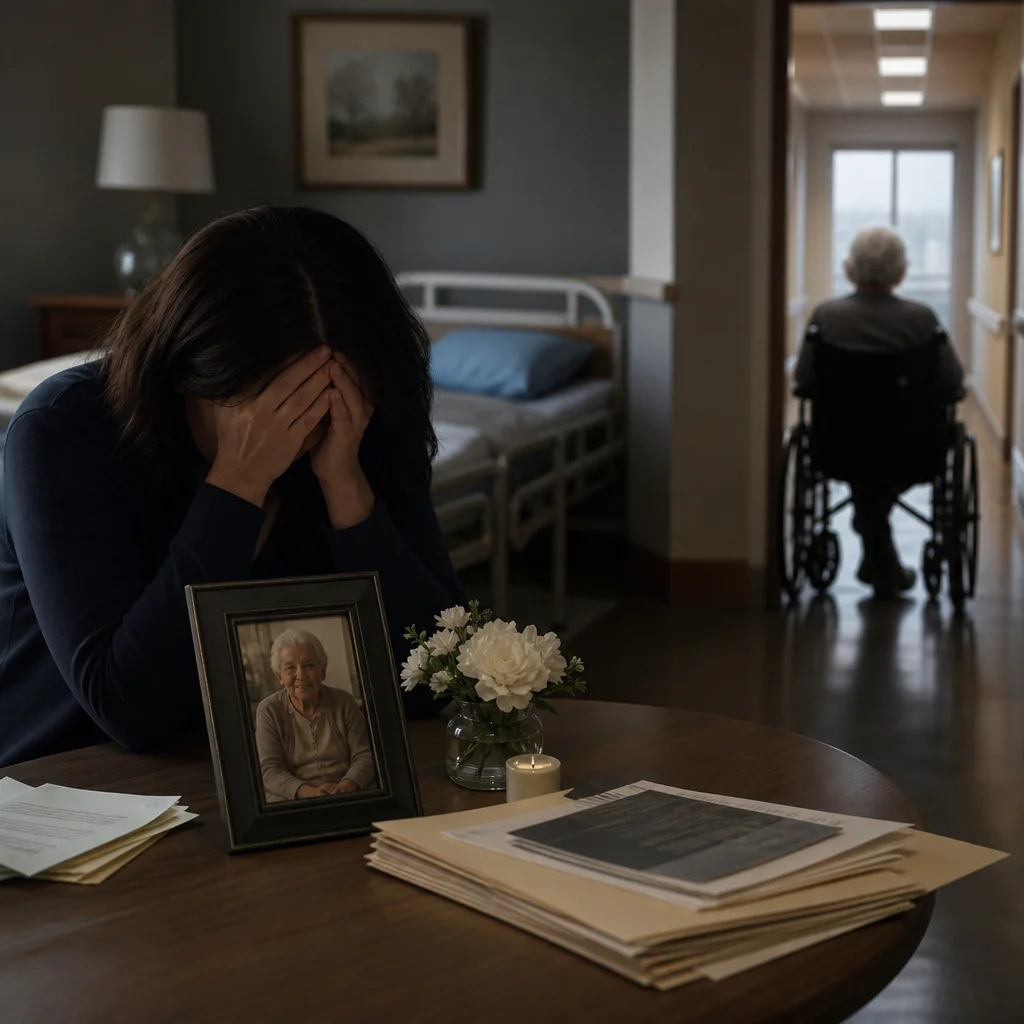
If your loved one has suffered an unexplained injury, physical abuse, an unexpected death, or other harm in a nursing home, you do not have to investigate the situation alone.
A nursing home neglect lawyer can review the circumstances, help identify potential evidence, and explain your family’s legal options.
Perlmutter & Pourshalimi, also known as P and P Firm, is committed to protecting the dignity and rights of elderly and dependent adults. If you think a loved one was abused or neglected in a nursing home, call us. If it happened in an assisted living facility, call us too.
If you believe your loved one was harmed in a nursing home, contact us for a free consultation. Call our experienced nursing home injury lawyers at 310-295-2236 to discuss your situation.
Nursing Home Abuse Cases – Victim of Nursing Home Neglect
Frequently Asked Questions
What Is Considered a Nursing Home Injury?
Nursing home injuries may include falls, fractures, bedsores, malnutrition, dehydration, and medication errors. Some may result from neglect or inadequate care.
Can a Nursing Home Be Held Liable for an Injury?
Yes, a nursing home may be liable if its negligence or failure to provide appropriate care contributed to a resident’s injury.
What Evidence Supports a Nursing Home Injury Claim?
Medical records, care plans, incident reports, photographs, medication logs, and witness statements may help support a claim.
What Should I Do If I Suspect Nursing Home Neglect in California?
Seek medical attention if needed, document the injury, preserve relevant records, and consult a nursing home neglect attorney.
When Should I Contact a Nursing Home Injury Lawyer?
Contact a lawyer if your loved one suffers an unexplained or potentially preventable injury in a nursing home. An attorney can review the circumstances and explain your legal options.