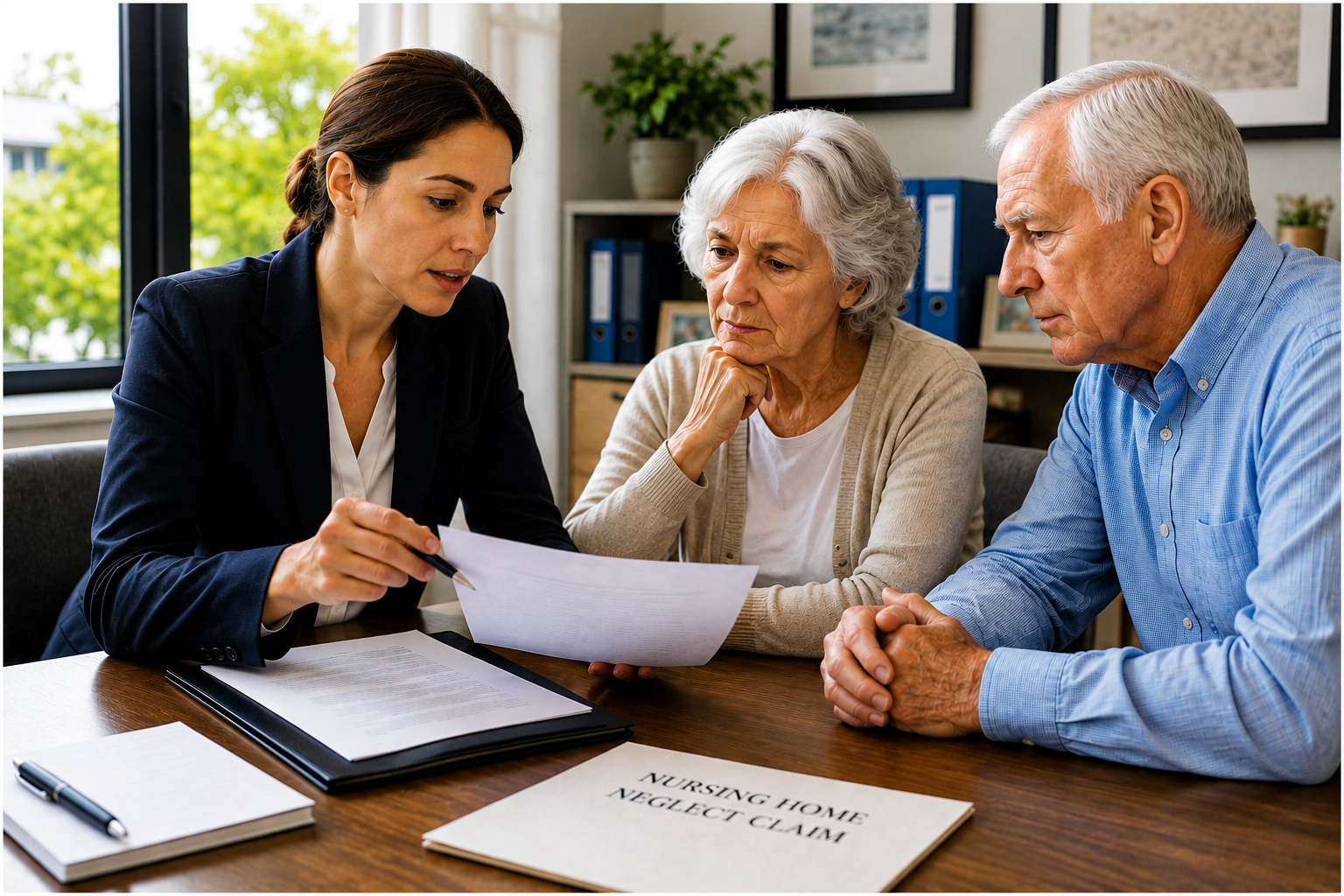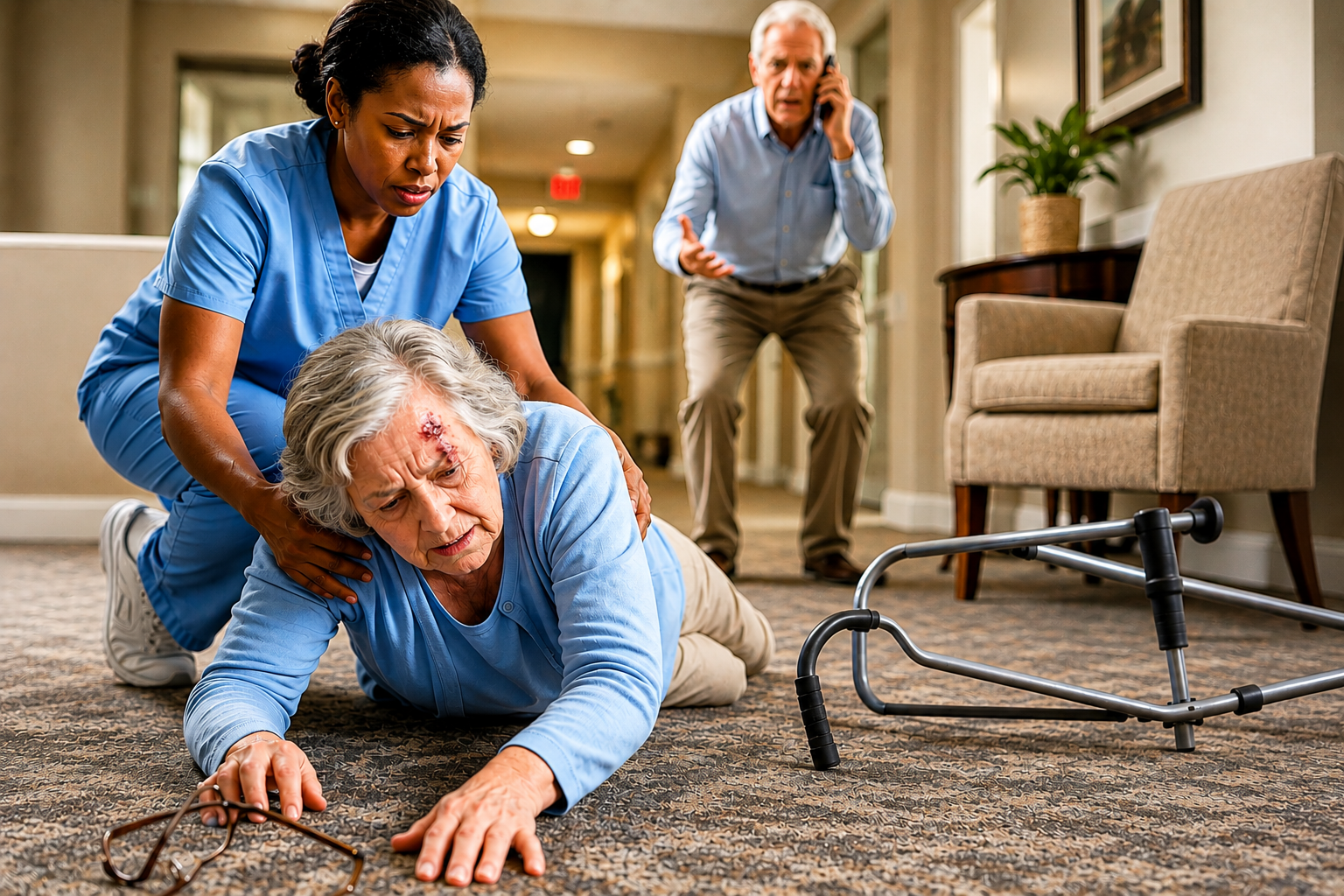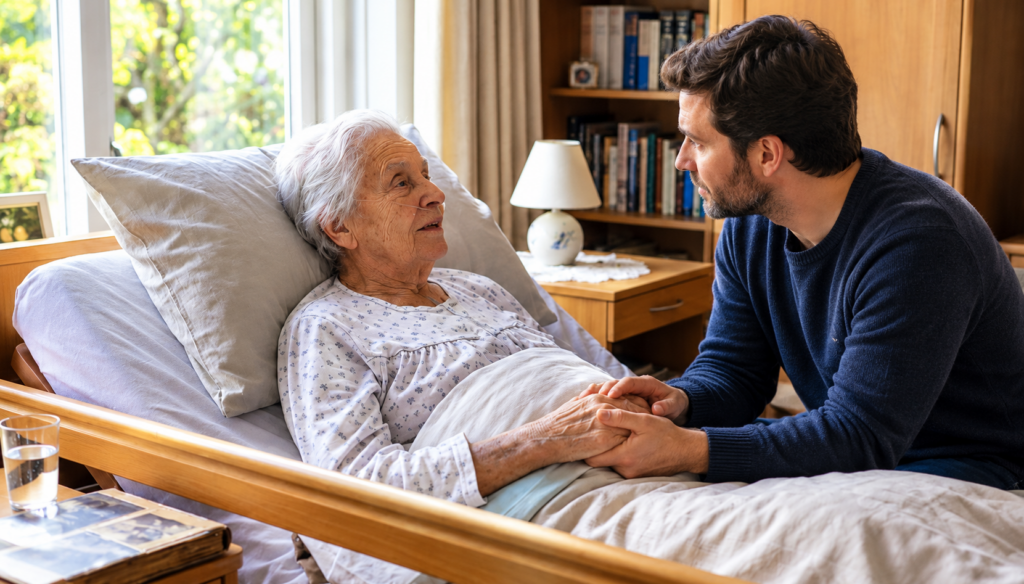
After suspected nursing home abuse, families are often left scrambling for answers while the facility controls most of the records and information. The steps you take in the first days and weeks can make a real difference in protecting your loved one.
Document what happened and preserve evidence that may support accountability. Below are seven practical steps families should take as soon as they suspect nursing home abuse or neglect.
Document All Visible Injuries and Changes Immediately
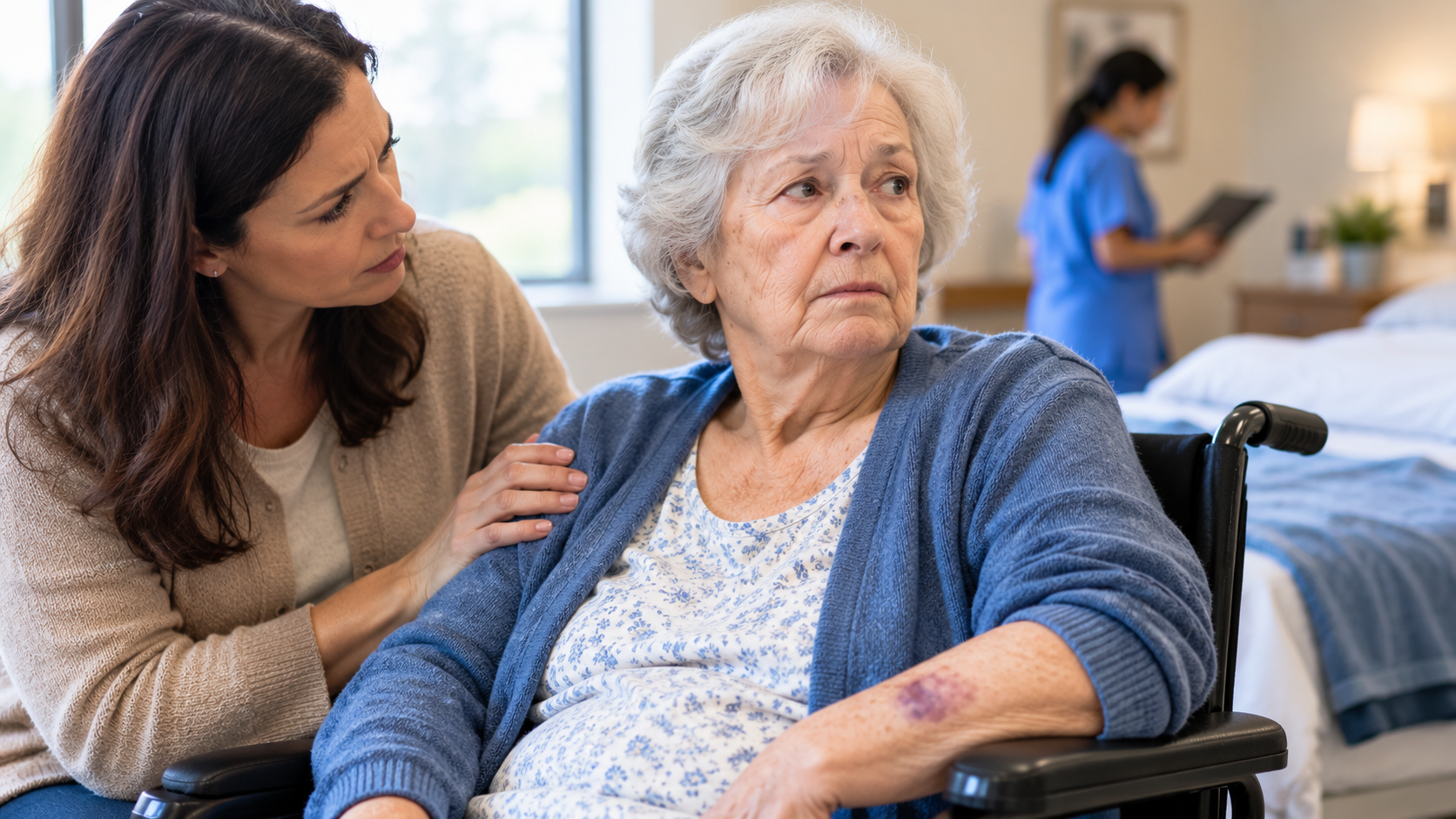
When a loved one is in a California nursing home, you may notice unexplained injuries. You may also see weight loss or emotional distress.
Our nursing home lawyers work every day with families who’ve faced this nightmare. Many come to us frustrated because the facility has already lost, deleted, or destroyed critical evidence. That loss of evidence, called spoliation, weakens the entire case and limits the compensation your family can recover.
The good news: You don’t need a law degree to preserve evidence effectively. You need a clear roadmap and the willingness to document everything methodically.
As soon as you notice physical signs of harm, start a detailed written record. This means noting bruises, pressure sores, unexplained cuts, weight loss, or behavioral changes with dates and descriptions.
Take notes that include:
- The location and appearance of each injury (shape, size, color, approximate depth)
- When you first noticed it and whether your loved one can explain what happened
- Whether the injury matches any explanation given by facility staff
- Any pain your loved one reports or grimacing they display
- Changes in appetite, sleep patterns, or willingness to engage with family
Photograph each injury from multiple angles in natural light. Keep these notes and photos in a secure location, separate from other documents. If possible, have an independent physician outside the facility evaluate your loved one, document findings, and create a medical record.
This immediate documentation establishes a clear timeline and prevents the “we don’t know how that happened” defense that facilities rely on when evidence appears weeks later. Recognizing the signs of nursing home abuse early can help families identify concerning changes in their loved one’s physical condition, behavior, and overall well-being.
Actionable step: Start a notebook or digital folder today. Write down today’s date and describe your loved one’s current condition in objective detail, even if you’re unsure whether abuse occurred.
Preserve Medical Records and Facility Documentation
Request all medical records from the nursing home in writing, using a formal records request. Don’t call and ask informally. Put it in writing and keep a copy.
What to request:
- All charts, assessments, and progress notes
- Medication administration records (MAR)
- Incident reports and accident documentation
- Care plans and any modifications made
- Lab results and imaging studies
- Communications with family members
- Admission agreements and policies
Send this request via email (so you have proof of delivery) or certified mail. Facilities must provide records within 15 days. If they delay, claim records are lost, or provide incomplete files, that hesitation itself becomes important evidence.
Nursing homes must also maintain incident reports for any accidents, falls, or injuries. These reports often contain admissions or factual descriptions that contradict what facility staff later claim happened. Request these specifically and separately.
Actionable step: Draft a written records request today and send it to your nursing home’s administrator. Keep the confirmation and all records received in one organized folder.
Photograph and Video Record the Care Environment
Visual evidence of the physical environment matters more than many families realize. Photograph the room where your loved one lives, including the condition of bedding, cleanliness, safety hazards, and adequacy of lighting.
Document conditions that suggest neglect:
- Dirty or stained bedding and furniture
- Lack of accessible call buttons or communication devices
- Hazards (clutter, wet floors without warnings, broken equipment)
- Appearance of the bathroom and toileting facilities
- Temperature control and ventilation
- General sanitation issues
Video walkthrough tours are powerful. A short video showing the state of facilities, staffing presence, or lack of supervision tells a compelling story that still images cannot.
Respect your loved one’s privacy and dignity. You don’t need to film them in vulnerable moments. Focus on the environment itself and any safety issues present.
Actionable step: On your next visit, spend 10 minutes filming a slow walkthrough of common areas and your loved one’s room. Store these videos securely and date them clearly.
Maintain a Detailed Timeline of Events
Create a chronological record of every significant event, conversation, and observation related to your loved one’s care and any injuries.
Your timeline should include:
- Dates and times you visited and what you observed
- Names of staff members you spoke with and what they said
- Dates you noticed new injuries or changes
- Phone calls with the facility, including who you spoke with and what was discussed
- Dates of medical appointments outside the facility
- Any complaints you raised and the facility’s response
- Dates when concerning behaviors emerged (withdrawal, fear, aggression)
Use a simple spreadsheet or notebook with columns for date, time, person involved, what happened, and any immediate action taken. This timeline becomes invaluable in legal proceedings because it establishes patterns, not isolated incidents.
Facilities often claim injuries are accidental or expected outcomes of aging. A detailed timeline showing a pattern of complaints followed by escalating injuries tells the real story. Maintaining a detailed timeline of injuries, complaints, and conversations with nursing home staff can help families organize important evidence. Explore our guide to evidence types that can help prove nursing home neglect claims to learn more about documenting concerns and supporting a potential legal claim.
Actionable step: Start your timeline today, working backward from the most recent event. Even if you can’t remember exact dates, approximate timing is better than no timeline.
Secure Communication Records and Incident Reports
Every email, text message, and written communication between you and the facility is evidence. Save and back it all up.
This includes:
- Email chains with administrators or care coordinators
- Text messages or online messaging through the facility’s communication platform
- Photos you’ve sent staff asking about injuries or concerns
- Copies of incident reports the facility gave you
- Email confirmations of phone calls you requested follow-ups for
- Care plan meetings or family conference notes
Create separate digital copies on your personal computer or cloud storage (Google Drive, OneDrive) so that if the facility later alters emails or claims conversations never happened, you have proof.
Incident reports are particularly valuable. Many families don’t realize the facility must give them a copy of any incident report involving their loved one. If staff say “that wasn’t documented,” you may already have the report showing it was.
Actionable step: Review your phone and email now. Copy every message from or about the facility into a backup folder dated today.
How to Collect Witness Statements from Staff and Residents
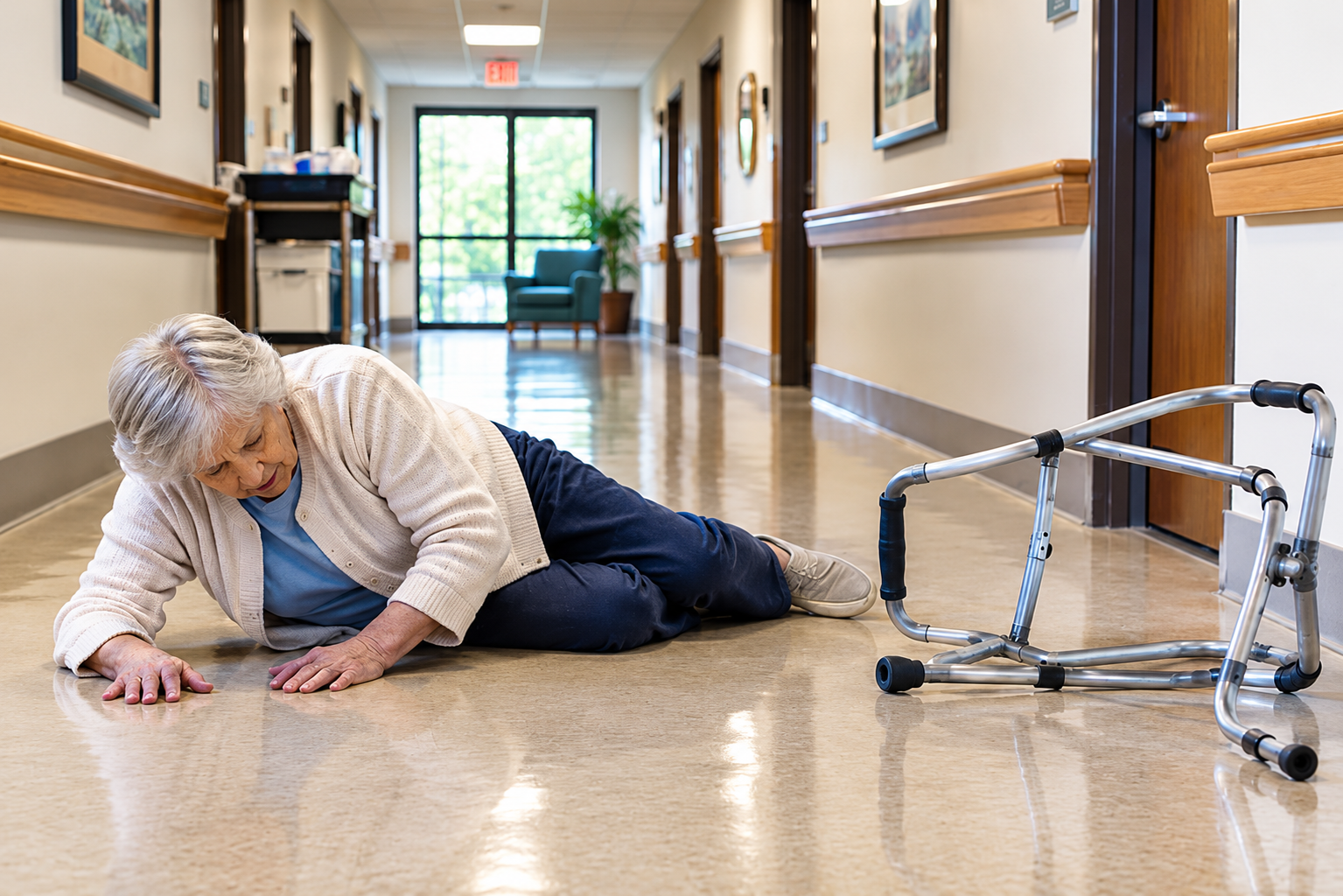
Other residents, nurses, nursing assistants, and facility staff often know what’s happening. Some may be willing to talk, especially if they’ve expressed concerns about staffing or safety. Nursing home negligence can involve a nursing home fall or other signs of neglect.
Approach this carefully and legally. You can:
- Ask your loved one (if cognitively able) to describe who witnessed specific incidents
- Speak with roommates or neighbors during visits
- Document names of staff members your loved one mentions by name
- Ask whether facility staff ever said they were short-staffed or unable to provide adequate care
Written statements from credible witnesses are powerful. If a former aide or nurse is willing to provide a statement about understaffing or concerning practices they observed, that testimony becomes part of the evidence record.
Don’t pressure or interrogate people. A simple, honest conversation often yields more useful information than aggressive questioning. And always be clear that you’re documenting concerns, not trying to trap anyone. Explore our latest blogs on nursing home abuse and neglect to learn more about recognizing warning signs, protecting your loved one’s rights, and understanding your legal options.
Actionable step: During your next visit, ask your loved one who their main caregivers are and what they remember about specific events. Take notes on names and conversations.
How to Obtain Surveillance Footage Before Deletion
Nursing homes, assisted living facilities, and hospitals typically keep surveillance footage for a limited time, sometimes as little as 30 days. Once that window closes, the footage is deleted and gone forever.
If you know your loved one was injured on a specific date, request footage immediately.
Send a written request to the facility’s administration:
- Specify the date, time range, and location (room, hallway, common area)
- Request preservation of the footage pending legal review
- Ask about their retention policy and when footage will be deleted
- Request confirmation in writing that footage is being preserved
If the facility refuses or claims the footage doesn’t exist, that refusal itself is evidence. It can trigger legal sanctions and may lead to adverse inferences (where the court assumes the missing footage would have supported your claim).
We work with technical experts who can recover and authenticate footage when facilities claim it’s been deleted. Acting quickly gives you the best chance of preserving this critical evidence.
Actionable step: If you suspect an incident occurred on a specific date, send a written preservation request to the facility’s administrator within 24-48 hours.
Work with Our Legal Team to Prevent Spoliation
This is where your careful documentation connects with an experienced elder abuse lawyer. We understand legal action against nursing homes requires more than good intentions. It requires systematic preservation of evidence and protective legal action.
Spoliation occurs when a facility knowingly or negligently destroys evidence relevant to a potential lawsuit. When we take on your case, one of our first steps is to send a preservation letter to the facility and its insurance company.
This letter puts them on legal notice to preserve evidence and creates a record showing they were warned.
If the facility destroys evidence after that notice, the consequences are severe. Courts impose sanctions, allow adverse inferences, and sometimes exclude the facility from denying negligence altogether.
Our nursing home abuse lawyers handle every aspect of evidence preservation:
- Drafting and serving legal preservation letters
- Working with independent medical experts to document injuries
- Obtaining and preserving medical records before facilities can alter them
- Managing forensic analysis of physical evidence
- Coordinating with investigators to interview witnesses
- Securing surveillance footage and technical evidence
Your role is to document what you witness and preserve what you can. Our role is to protect that evidence legally and build an unassailable case.
Get a Free Consultation With a California Nursing Home Lawyer
P and P Firm, also known as Perlmutter & Pourshalimi, works on a contingency basis, meaning you pay nothing unless we recover compensation for your family. Free consultations and phone appointments let you speak with our team about your specific situation without financial pressure.
When your loved one has suffered abuse or neglect in a California nursing home or assisted living facility, evidence preservation isn’t optional. It’s the foundation of accountability and the path to justice for your family. Contact us today to discuss filing a nursing home injury claim.
Call Perlmutter & Pourshalimi for a Free Consultation at 310-295-2236. Our trusted nursing home injury lawyers are here to answer your questions and fight to seek justice for you and your family.
Frequently Asked Questions (FAQ)
What should we do immediately after discovering nursing home abuse or neglect?
We recommend documenting everything right away, starting with photographs of any visible injuries, the care environment, and conditions that contributed to the harm. At the same time, request all medical records, facility incident reports, and communication logs from the nursing home. The sooner you preserve this evidence, the stronger your case becomes, and we’re here to guide you through each step during a free consultation.
How can we prevent the nursing home from destroying evidence?
We can file a spoliation notice on your behalf, which legally requires the facility to preserve all relevant records, surveillance footage, and physical evidence. This formal step stops facilities from deleting security camera footage or discarding items that document the abuse or neglect. Contact us immediately so we can take this protective action before critical evidence disappears.
Why is our family documentation important if we hire your firm?
Your detailed records, photographs, witness statements, and timeline become the foundation of your case and often determine the compensation you receive. We use the evidence you’ve gathered to build a compelling claim showing exactly what happened and how the facility failed your loved one. Even before you hire us, starting a documentation checklist helps preserve the proof we’ll need to hold the nursing home accountable.
How can families document signs of nursing home abuse or neglect?
Families should keep a dated record of visible injuries, unexplained weight loss, behavioral changes, and concerns about care. Photograph injuries when appropriate, record conversations with staff, and organize medical records to help establish a clear timeline of events.
Why is nursing home surveillance footage important in an abuse case?
Surveillance footage may help clarify how an injury occurred, whether proper supervision was provided, and what happened before or after an incident. Since footage may be retained for a limited time, families should promptly request its preservation in writing.
Nursing Home Abuse Attorneys – Signs of Nursing Home Abuse – Personal Injury Lawyer
Nursing Home Injury Law Firm – Nursing Home Abuse Cases – Bedsore Lawyer