Table of Contents
- When a Loved One Dies in a Nursing Home: Understanding Your Situation
- What Constitutes Wrongful Death in California Nursing Facilities
- Common Causes of Preventable Deaths in Nursing Homes
- Why Families Need Aggressive Legal Representation
- How We Investigate Nursing Home Wrongful Death Cases
- Calculating Damages in Nursing Home Death Claims
- The Contingency Fee Advantage: No Win, No Fee
- California's Statute of Limitations for Wrongful Death Actions
- Steps to Take Immediately After a Loved One's Death
- How We Build Your Case and Hold Facilities Accountable
- What to Expect During Your Free Consultation
- Frequently Asked Questions (FAQ)
When a Loved One Dies in a Nursing Home: Understanding Your Situation
Losing a parent or elderly relative is devastating. When that loss occurs in a nursing home or assisted living facility under questionable circumstances, the grief compounds with anger and confusion about what happened. You may find yourself asking: Was this death preventable? Did the facility fail to provide adequate care? Should we pursue legal action?
These questions are legitimate, and you’re not alone in asking them. We work with families every day who are navigating this exact situation. The loss of a loved one due to negligent care is a profound injustice, and families deserve answers and accountability.
Your immediate priority is understanding whether your situation qualifies for a wrongful death claim in California. This involves gathering medical records, understanding what happened during your loved one’s final days, and determining whether the facility’s actions or inactions contributed to their death. We recommend documenting everything you remember while details are fresh and preserving any communications with the facility.
What Constitutes Wrongful Death in California Nursing Facilities
In California, a wrongful death claim arises when someone dies as a result of another person’s or entity’s negligence, intentional conduct, or violation of law. For nursing homes, this means the facility, its staff, or ownership failed to provide a standard of care that a reasonable facility would provide.
The key legal elements are straightforward: the facility owed your loved one a duty of care (which they absolutely did), they breached that duty through neglect or abuse, and that breach directly caused or substantially contributed to their death.
Nursing homes aren’t just liable for intentional harm. Many wrongful deaths result from systemic failures: understaffing that leads to missed medications, lack of supervision causing falls, failure to monitor vital signs, or inadequate nutrition and hydration. A facility can be held accountable even when no staff member intended harm but their negligence was reckless or grossly negligent.
California law also recognizes that facilities have specific regulatory obligations. When they violate state or federal nursing home regulations, that violation can establish negligence directly. For example, if a facility failed to follow required infection control protocols and your loved one died from a preventable infection, that regulatory violation strengthens your claim significantly.
Common Causes of Preventable Deaths in Nursing Homes
Understanding how preventable deaths occur in nursing homes helps you evaluate your own situation. We see recurring patterns across cases we handle:
Medication errors and mismanagement remain among the leading causes. Staff administering wrong medications, incorrect dosages, or failing to give prescribed medications can have fatal consequences, particularly for residents with cardiac or respiratory conditions.
Falls and inadequate supervision account for numerous preventable deaths. Residents at high fall risk require monitoring, assistance, and environmental safety measures. When facilities fail these basic protections, resulting injuries can prove fatal, especially for elderly individuals with fragile bones.
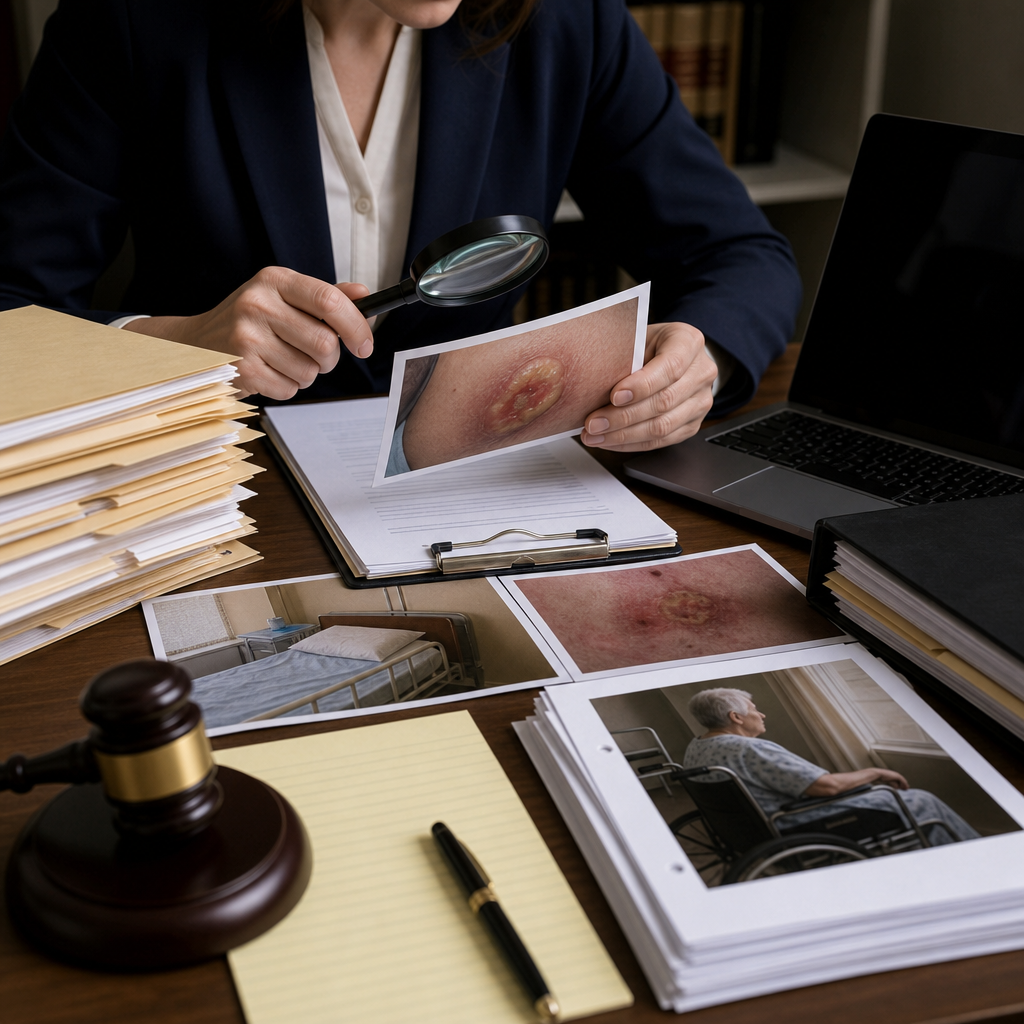
Pressure ulcers (bedsores) develop when residents aren’t turned regularly or repositioned. These wounds can become infected, leading to sepsis and death. A preventable bedsore death represents profound neglect.
Malnutrition and dehydration quietly threaten vulnerable residents. Staff must monitor intake, assist residents who need help eating, and flag nutritional concerns immediately.
Infections, particularly urinary tract infections and pneumonia, spread rapidly in facilities with poor hygiene protocols. Untreated or delayed-treatment infections can become fatal within days.
Choking and aspiration occur when facilities don’t properly assess swallowing ability or fail to provide appropriate food consistency for residents with swallowing difficulties.
Each of these scenarios involves identifiable failures in care standards. When we investigate, we look for exactly these patterns to build a compelling case.
Why Families Need Aggressive Legal Representation
Nursing homes have substantial resources and strong incentives to minimize liability. They employ risk management teams, carry liability insurance, and have legal counsel ready to defend against claims. Without equally aggressive representation, families are at a severe disadvantage.
Facilities often pressure grieving families into quick settlements before thorough investigations occur. They may suggest the death was inevitable due to the resident’s age or pre-existing conditions, even when negligence hastened that death. Insurance companies profit from underpaying claims, and without experienced counsel, families don’t know what their cases are truly worth.
We believe families deserve representation that matches the facility’s power. This means conducting thorough investigations before any settlement discussions, retaining medical experts who can establish causation, and being willing to litigate when facilities refuse fair compensation.
Aggressive representation also serves a broader purpose: holding facilities accountable creates incentives for improved care. When facilities know negligence will result in significant liability, they invest in better staffing, training, and safety protocols. Your case can protect future residents.
How We Investigate Nursing Home Wrongful Death Cases
Our investigation process is comprehensive and methodical. We don’t simply accept the facility’s account of events. Instead, we independently gather evidence from multiple sources.
We obtain complete medical records from the facility, including all nursing notes, physician orders, medication administration records, and vital sign monitors. These documents often reveal the timeline of decline and whether staff noticed concerning changes.
We request state regulatory records, including inspection reports and any prior complaints or violations at the facility. If a facility had previous safety violations, this establishes a pattern of neglect.
We interview the deceased resident’s family and any staff members willing to speak with us. Family members often observed changes in their loved one’s condition and noticed staff failures firsthand.
We retain experienced medical experts in geriatric medicine, nursing care, and relevant specialties (cardiology, pulmonology, etc.) depending on the cause of death. These experts review records and provide opinions on whether the facility’s care fell below accepted standards and whether different care would likely have changed the outcome.
We examine the facility’s staffing levels and scheduling to determine if understaffing contributed to missed care.
This thorough approach takes time but builds unassailable cases that facilities and insurers cannot easily discount.
Calculating Damages in Nursing Home Death Claims
Damages in wrongful death cases fall into two main categories: economic and non-economic.
Economic damages are quantifiable financial losses: medical expenses incurred before death, funeral and burial costs, and lost income the deceased would have earned during their remaining life expectancy. For many families, calculating life expectancy earnings involves expert economists who review the deceased’s age, health history, and earning capacity.
Non-economic damages compensate for losses that don’t have a clear price tag. These include the pain and suffering your loved one experienced before death, loss of companionship and guidance, emotional distress to surviving family members, and loss of consortium. A parent’s guidance, a grandparent’s presence at family events, and the emotional support relationships provide all have value in California law.
Punitive damages are available when a facility’s conduct was particularly egregious, intentional, or showed reckless disregard for residents’ safety. These damages punish the wrongdoer and deter similar conduct.
The total value depends on specific facts: the deceased’s age, health status, family circumstances, and the degree of negligence. A 65-year-old with significant remaining earning capacity and young children has different damages than an 88-year-old without dependents. However, both deserve full compensation for their losses.
We work with damages experts to calculate what your case is truly worth, ensuring you understand the financial recovery available to you.
The Contingency Fee Advantage: No Win, No Fee
We handle nursing home wrongful death claims on a contingency fee basis. This means you pay nothing upfront and no attorney fees unless we recover compensation for you.
This arrangement aligns our interests perfectly with yours. We win when you win. We don’t advance cases where we’re not confident in recovery, so our willingness to take your case signals our assessment of its strength.
For families grieving the loss of a loved one, the contingency model removes financial barriers to justice. You’re not choosing between pursuing accountability and maintaining your family’s financial stability. We cover investigation costs, expert fees, and litigation expenses upfront. If we don’t recover compensation, you owe us nothing.
When we do recover, our fee is a percentage of the settlement or judgment. This is transparent and agreed upon in writing before we proceed. No hidden costs, no surprise billing.
California’s Statute of Limitations for Wrongful Death Actions
California law imposes time limits on bringing wrongful death claims. Generally, families have two years from the date of death to file a lawsuit. This deadline is firm, and missing it means losing your right to pursue the claim entirely.
However, California recognizes an important exception: the discovery rule. If you didn’t immediately know that negligence caused your loved one’s death because the facility or their physician concealed information, the clock may start running from when you discovered the negligence. This is why documenting what you knew and when you knew it matters.
We recommend contacting us as soon as possible after your loved one’s death, even if you’re still early in your grieving process. This ensures we don’t miss filing deadlines and can begin investigation while evidence is fresh. Some families wait months or years before pursuing claims, and by then, key witnesses have moved on and memories fade.
For more detailed information, you can review California wrongful death statute guidance.
Steps to Take Immediately After a Loved One’s Death
In the immediate aftermath of losing a resident in a nursing home, certain actions protect your legal interests:
Preserve all documents the facility provides, including death certificates, summaries of the resident’s final days, and any explanations staff offer. Don’t discard anything, even if it seems insignificant.
Request complete medical records from the facility in writing. Keep copies of this request. Facilities are required by law to provide records within 30 days.
Document your own observations. Write down when you last saw your loved one, any changes you noticed in their condition, and any concerns you raised with staff.
Take photographs of the facility, the resident’s room, and any visible signs of neglect or unsafe conditions.
Avoid signing releases or settlement agreements without legal review. Some facilities pressure families to sign liability waivers or small settlements before families understand what happened.
Contact an attorney experienced in nursing home neglect cases for a free consultation. We can advise you on preserving evidence and pursuing your claim.

How We Build Your Case and Hold Facilities Accountable
Case building in nursing home wrongful death claims follows a structured process. After our investigation establishes negligence, we prepare a detailed demand package presenting evidence to the facility’s insurance carrier.
This package includes expert reports establishing that care fell below acceptable standards and that negligence caused or hastened death. We quantify damages comprehensively, showing economic and non-economic losses. We explain applicable law and relevant regulations the facility violated.
Many cases settle after a strong demand is presented. Insurance carriers understand the strength of evidence and the costs and risks of litigation. They prefer settling for a known amount to gambling on a jury verdict.
If the facility or insurer refuses fair settlement, we’re prepared to litigate. We file a lawsuit, conduct discovery requiring production of additional documents and testimony, depose witnesses, and prepare for trial. We’ve built cases that withstand aggressive defense tactics and have successfully obtained jury verdicts holding facilities accountable.
Throughout this process, we keep you informed, explain developments in plain language, and ensure you understand your options before major decisions are made.
What to Expect During Your Free Consultation
We offer free consultations to families considering claims. These conversations cost you nothing and carry no obligation.
During your consultation, we’ll listen to your story without judgment. We’ll ask detailed questions about your loved one’s condition when admitted, any changes you noticed, your interactions with staff, and circumstances surrounding the death. We’ll explain what happened and why it matters legally.
We’ll honestly assess whether your situation fits the legal definition of wrongful death and whether we believe pursuing a claim makes sense. We won’t take every case offered to us; we take cases we believe we can win and where families deserve recovery.
If we move forward together, we’ll explain our process, timelines, what to expect, and how we communicate with clients. We’ll answer your questions and address any concerns.
Your next step is contacting us. You can call for a phone appointment, which we conduct at no charge. There’s no pressure and no sales pitch. We’re here to help you find answers and pursue the accountability your family deserves.
Call Perlmutter & Pourshalimi for a Free Consultation at 310-295-2236. Our trusted nursing home injury lawyers are here to answer your questions, and fight to seek justice for you and your family.
Frequently Asked Questions (FAQ)
What should we do immediately after our loved one’s death in a nursing home?
We recommend acting quickly to preserve evidence and protect your family’s rights. Contact us right away for a free consultation so we can advise you on next steps, and consider requesting all medical records and documentation from the facility. Document everything you observed or were told about the circumstances surrounding your loved one’s death, and avoid signing any settlement agreements or liability waivers until you’ve spoken with our team.
How do we know if we have a valid wrongful death claim?
We evaluate whether the nursing home’s negligence or abuse directly caused your loved one’s death. Common indicators include inadequate staffing, failure to provide proper medical care, medication errors, bedsores, malnutrition, dehydration, or unreported injuries. Our team investigates thoroughly to determine liability and build a strong case on your behalf.
Why should we work with you on a contingency fee basis?
We take cases on contingency because we believe families shouldn’t face financial barriers when seeking justice. You pay us nothing upfront and no fees unless we win your case or reach a settlement. This approach aligns our success with yours and demonstrates our confidence in the strength of your claim.